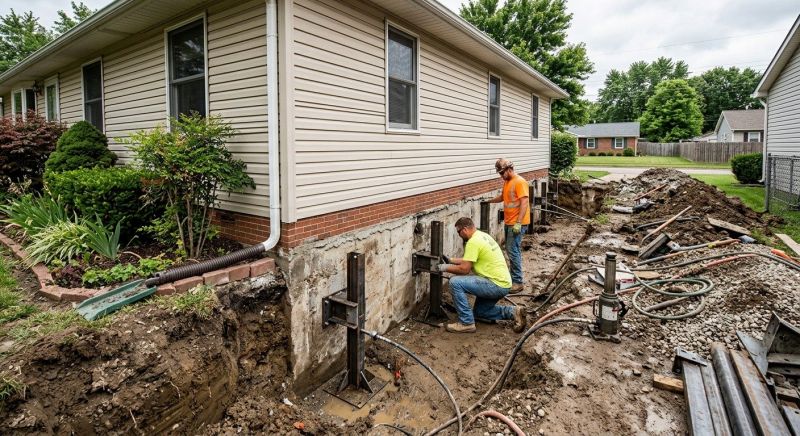
Foundation Stabilizing in Tampa, FL
Foundation stabilizing services involve methods to strengthen and secure the structural base of a property, helping to prevent or address issues caused by shifting or settling soil. These services are commonly requested for projects such as leveling uneven floors, repairing cracks in walls or foundations, and reinforcing structures affected by soil movement or moisture changes. Homeowners typically seek foundation stabilization when noticing signs like cracked walls, sticking doors, or uneven flooring, aiming to protect the property's integrity and safety.
Before requesting foundation stabilizing services, property owners should understand the specific concerns affecting their home, such as the extent of foundation movement or damage. It is also helpful to consider the history of soil conditions in the area and any previous repairs or issues. Having a clear understanding of these factors can assist in determining the most appropriate stabilization approach to ensure long-term stability and peace of mind.
Many property owners in Tampa, FL look into Foundation Stabilizing for repairs, replacements, upgrades, and appearance-related improvements.
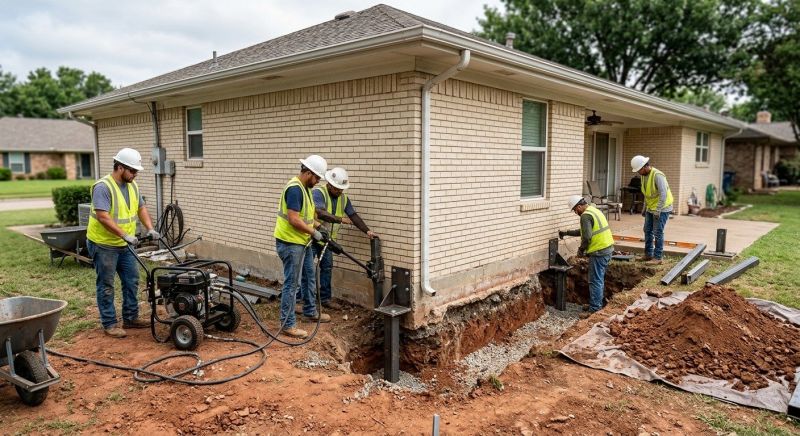
Foundation Stabilization Solutions
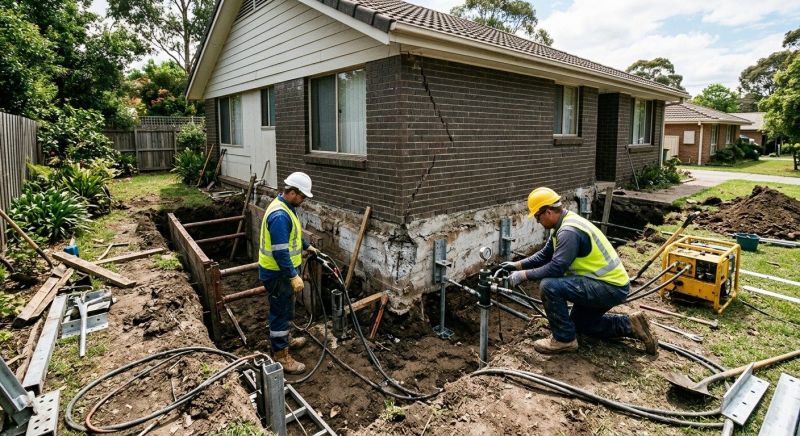
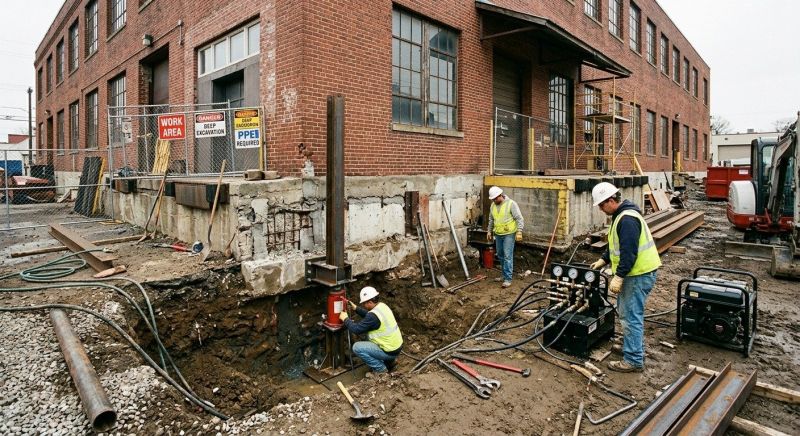
Services include underpinning, piering, and slab leveling to restore stability.
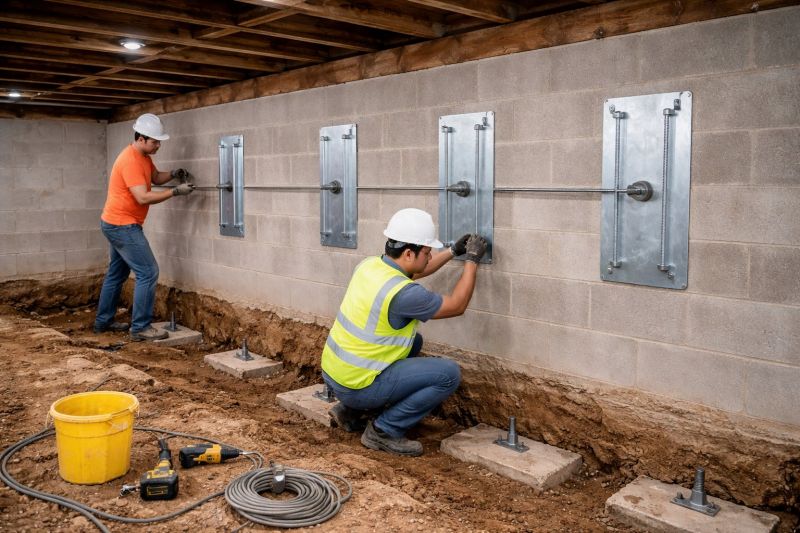
Signs Of Foundation Issues
Cracks in walls, uneven floors, and sticking doors may indicate foundation movement.
Why Stabilization Matters
Proper stabilization helps prevent further damage and preserves property value in tampa, fl.
Foundation Stabilizing in Tampa, FL
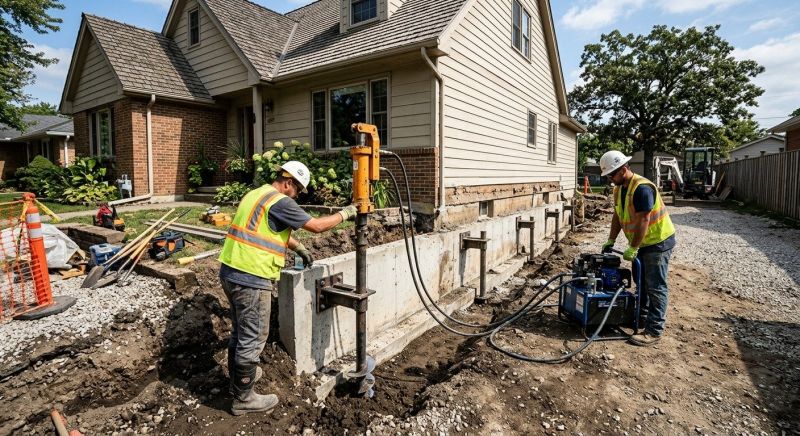
Foundation stabilizing services involve methods to strengthen and secure the structural base of a property, helping to prevent or address issues caused by shifting or settling soil. These services are commonly requested for projects such as leveling uneven floors, repairing cracks in walls or foundations, and reinforcing structures affected by soil movement or moisture changes. Homeowners typically seek foundation stabilization when noticing signs like cracked walls, sticking doors, or uneven flooring, aiming to protect the property's integrity and safety.
Before requesting foundation stabilizing services, property owners should understand the specific concerns affecting their home, such as the extent of foundation movement or damage. It is also helpful to consider the history of soil conditions in the area and any previous repairs or issues. Having a clear understanding of these factors can assist in determining the most appropriate stabilization approach to ensure long-term stability and peace of mind.
Many property owners in Tampa, FL look into Foundation Stabilizing for repairs, replacements, upgrades, and appearance-related improvements.
Common Foundation Stabilizing Jobs
Foundation stabilization involves techniques to reinforce and support sinking or shifting foundations.
Pier and beam repair addresses uneven floors and structural movement caused by unstable supports.
Mudjacking and slab leveling raise sunken concrete slabs to restore a level surface.
Soil stabilization improves soil conditions to prevent future foundation movement.
Crack repair seals foundation cracks to prevent water intrusion and further damage.
Drainage correction ensures proper water flow away from the foundation to reduce settling risks.
Foundation Stabilizing Questions
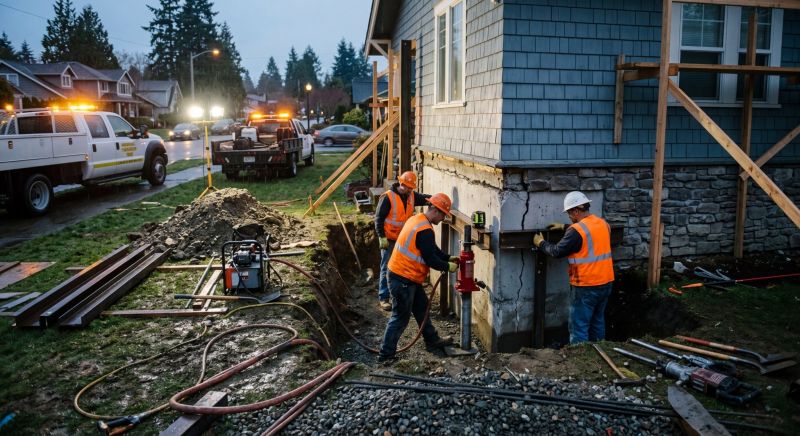
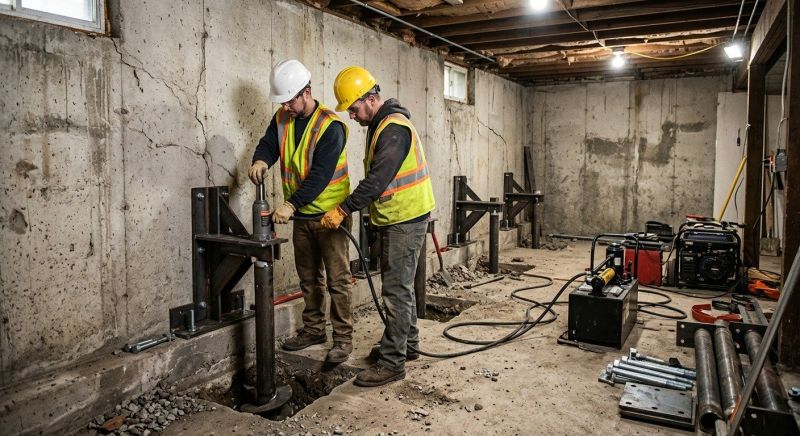
What is foundation stabilizing? Foundation stabilizing involves techniques to reinforce and support a building’s foundation, helping to prevent further settling or movement.
What types of foundation issues are addressed? Common issues include cracks, uneven floors, and shifting walls caused by soil movement or moisture changes.
How does foundation stabilizing improve property safety? Stabilizing the foundation helps maintain structural integrity, reducing the risk of damage or collapse.
What signs indicate the need for foundation stabilization? Signs include visible cracks, sticking doors or windows, and uneven flooring in a property.
Request Foundation Stabilizing in Tampa, FL
Use the quote form on this page to share the basics of your project and request more information for the type of work you need.